The Idaho decision
Polyaspartic vs. epoxy in Idaho: which garage floor wins?
Both can look great. In a freeze-thaw climate, the difference shows up a few winters in. Here's the honest breakdown.
What's the difference?
Epoxy and polyaspartic are both two-part resin coatings, but they behave differently. Epoxy is rigid, lower-cost, and needs warmer temperatures to cure properly; it bonds hard like glass. Polyaspartic (a fast-curing cousin of polyurea) stays more flexible, cures quickly even in the cold, and resists UV yellowing because of its aliphatic chemistry. In practice, epoxy is the budget base coat and polyaspartic is the premium, weather-tough topcoat — and the strongest floors often use a system that combines both. For an Idaho garage that swings from sub-freezing to hot, the flexibility and cold-cure of polyaspartic is the trait that matters most.
Which holds up in Idaho's freeze-thaw?
Polyaspartic holds up better. A concrete garage slab in the Treasure Valley can move several millimeters between a January freeze and an August afternoon. Rigid epoxy doesn't flex with that movement, so over repeated freeze-thaw cycles the bond can crack, bubble, or peel at the edges — especially where snowmelt and ice-melt salts get under a weak spot. Polyaspartic's flexible film moves with the slab and shrugs off the salt and moisture, which is why it tends to stay down years longer in cold climates. Prep still matters most: even the best coating fails on a slab that wasn't properly ground and repaired first.
Can each be installed in winter?
This is the big one in Idaho. Standard epoxy generally needs the concrete surface above about 50°F to cure correctly — below that, it can fail to bond and later peel. Polyaspartic cures in much colder conditions (some systems down near freezing), so a quality installer can coat a heated garage through the winter. The catch is that it must be done right: pros heat the slab itself and use electric or forced-air heat rather than open propane or kerosene, which dump moisture that ruins a cure. More on winter installs →
How long does each last?
With professional prep, both can last well over a decade, but polyaspartic typically lasts longer in a cold, sunny climate — commonly 15–20+ years versus epoxy's ~10–15 — because it resists cracking, hot-tire pickup, and UV fading. The single biggest factor in either case is preparation: diamond-grinding the concrete and repairing cracks and pits creates the mechanical bond a coating needs. A cheap "one-day acid-wash epoxy" special often fails early not because epoxy is bad, but because the prep was skipped.
Which is worth the cost?
For most Treasure Valley homeowners, polyaspartic is worth the modest premium — usually a few dollars more per square foot — because it lasts longer, installs year-round, and keeps its looks. Epoxy is a legitimate, budget-friendly choice for a garage that stays warm and dry and for owners who plan to move sooner. The right answer depends on your slab, your timeline, and your budget, not on a sales script. See local pricing →
Side-by-side
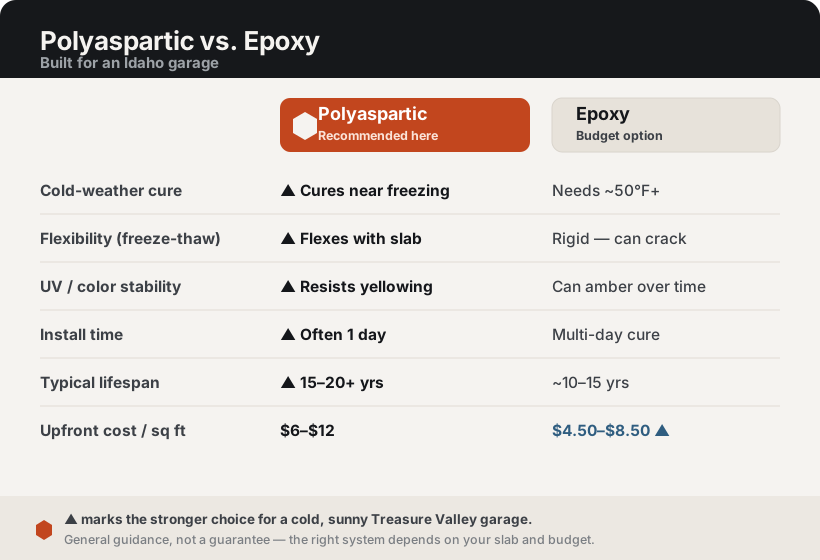
| Trait | Polyaspartic | Epoxy |
|---|---|---|
| Cold-weather cure | Cures near freezing | Needs ~50°F+ surface |
| Flexibility (freeze-thaw) | Flexes with the slab | Rigid; can crack |
| UV / color stability | Resists yellowing | Can amber over time |
| Install time | Often 1 day | Multi-day cure |
| Upfront cost | $6–$12 / sq ft | $4.50–$8.50 / sq ft |
| Typical lifespan | 15–20+ yrs | ~10–15 yrs |
General comparison for planning, not a guarantee of results on any specific floor.
Not sure which is right for your garage?
We'll look at your slab and recommend the honest option for your budget.