Boise & the Treasure Valley
Garage floors forged for Idaho winters.
Polyaspartic & epoxy coatings engineered for our freeze-thaw — built to resist the peeling that takes down ordinary epoxy, and often installed in a single day.
What we install
One floor. Built for how Idaho actually treats a garage.
Hot tires in July, road salt and snowmelt in January, and a slab that moves all year. We install coating systems chosen for that reality — not whatever cures fastest in a catalog.
Polyaspartic systems
Flexible, UV-stable, and able to cure in cold temperatures. Our go-to for Idaho garages and one-day installs.
Epoxy & flake systems
A budget-friendly, great-looking option for the right conditions, finished with full-broadcast color flake.
Patios, basements & shops
The same durable coatings for exterior concrete, basement floors, and commercial or hobby-shop slabs.
Straight pricing
How much does a garage floor coating cost in Boise?
In the Boise area, professional garage floor coatings generally run $4.50–$8.50 per square foot for epoxy systems and $6–$12 per square foot for polyaspartic/polyurea systems. For a typical two-car garage, that puts most projects between about $1,600 and $6,000, depending on the slab's condition, how much prep (grinding, crack and pitting repair) it needs, and the finish you choose. Polyaspartic costs more up front but suits Idaho's climate better — it can be applied in cold temperatures and flexes with the slab through freeze-thaw, while standard epoxy needs warmer conditions and can become brittle. The honest way to price it is an on-site look at your square footage, slab moisture, and prep — then a fixed quote with no surprises.
Figures are general Treasure Valley ranges for guidance, not a quote. See the full local pricing breakdown →
The Idaho difference
Why coatings peel here — and how we stop it
Concrete in the Treasure Valley can move several millimeters between a January cold snap and an August afternoon. Rigid epoxy doesn't move with it, so the bond can crack and lift. The fix isn't a better sales pitch — it's the right chemistry for a cold climate.
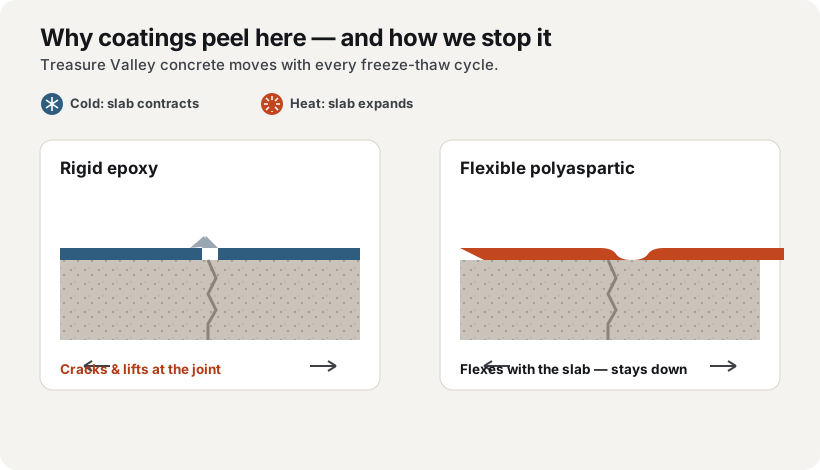
- Cold-tolerant cure. Polyaspartic can go down in temperatures epoxy can't, so winter installs are realistic.
- Flex, not fracture. A flexible film moves with the slab through freeze-thaw instead of letting go.
- UV-stable color. Aliphatic polyaspartic holds its color where some epoxies amber and fade.
Minimal disruption
Often done in a day
Many polyaspartic systems are a one-day install: grind and prep in the morning, coat and broadcast flake by midday, walk on it that evening, and park on it within a couple of days. We confirm the realistic timeline for your slab and the weather before we start — no vague promises.
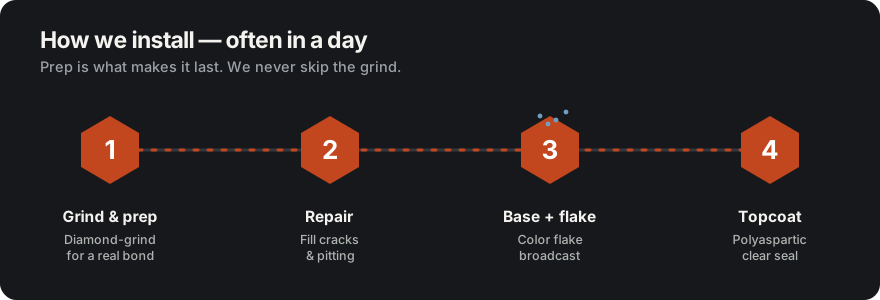
- Diamond-grind prep for a real mechanical bond, not a quick acid wash.
- Crack & pit repair handled before the coat goes down.
- Clear schedule so you know exactly when you can use the garage again.
Service area
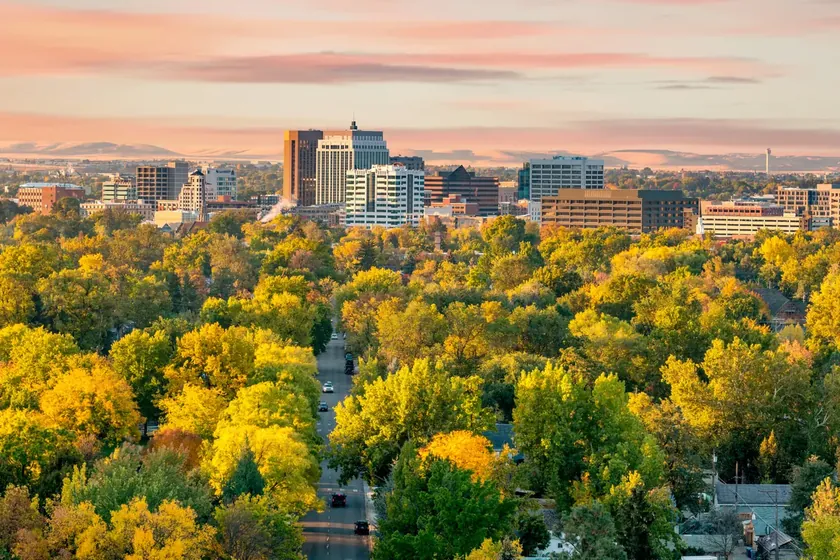
Serving the whole Treasure Valley
From the Boise foothills to the Canyon County line — residential garages, patios, basements, and shops.
Reviews
Real reviews, once we've earned them
We don't post stock testimonials — real Google reviews will appear here as we earn them.
Common questions
Garage floor coating FAQ
How long does a garage floor coating last?
A professionally installed polyaspartic or epoxy floor coating typically lasts 10–20 years when the concrete is properly diamond-ground, repaired, and coated. Lifespan depends mostly on prep quality and the system used: polyaspartic tends to outlast standard epoxy in cold climates because it flexes with the slab and resists UV yellowing. Daily-driver hot tires, dropped tools, and ice-melt chemicals all wear a floor over time, but a quality system shrugs most of that off and can be refreshed with a new topcoat rather than a full redo.
Is a garage floor coating worth it?
For most Treasure Valley homeowners, yes — a coating turns a dusty, staining slab into a sealed, easy-to-clean surface that resists oil, salt, and hot-tire pickup, and it makes the garage feel like finished square footage. It also protects the concrete itself from freeze-thaw spalling. Whether it pays off depends on how long you'll stay and how you use the space; a daily-use or hobby garage sees the value fastest. We'll give you an honest read on the right system for your budget rather than upselling a finish you don't need.
What's the difference between polyaspartic and epoxy?
Epoxy is a rigid, lower-cost coating that needs warmer temperatures to cure and can become brittle or yellow over time. Polyaspartic is a more flexible, UV-stable coating that cures fast even in cold weather, which is why it suits Idaho garages and one-day installs. Many of the best floors use both ideas — a strong base and a tough polyaspartic topcoat. See the full comparison →
Ready for a floor that handles Idaho?
Tell us about your garage and we'll send a straight, no-pressure quote.