Cold-weather installs
Garage floor coating in winter: what Idaho homeowners should know
Short answer: yes, it's possible — but only with the right coating and real temperature control. Here's how to do it without ending up with a peeling floor.
Is it too cold to coat a garage floor in Boise winters?
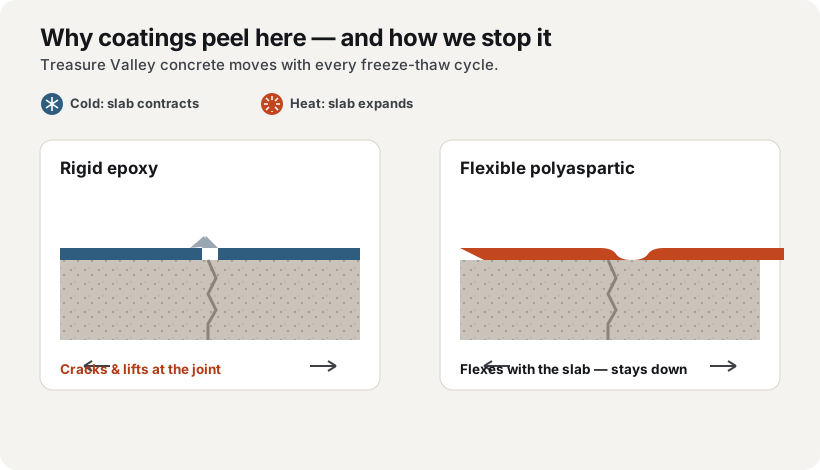
Not automatically. The number that matters is the concrete surface temperature, not the air — and concrete runs colder than the air around it in winter. Standard epoxy generally needs that surface above about 50°F to cure, which is hard to hold in an unheated Idaho garage in January. Polyaspartic systems, however, cure at much lower temperatures, so a professional who heats the slab can install through the winter. The wrong move is letting an installer coat a cold slab "to get it done" — that's how you get a floor that peels by spring.
Why does cold cause epoxy to peel?
Coatings bond by soaking into the concrete's open pores and curing there — a chemical bond. When the slab is too cold, the resin thickens and can't penetrate, so it sits on top and forms a weak mechanical bond instead. It may look fine for a few weeks, then bubble, flake, or peel once the floor sees moisture, hot tires, or the next freeze-thaw cycle. Cold also stretches cure times dramatically, leaving the fresh coat vulnerable to dust and moisture for far longer. None of this is the coating's fault — it's a temperature and prep problem.
How does polyaspartic solve the cold-weather problem?
Polyaspartic chemistry cures fast across a much wider temperature range, including near-freezing conditions, so it bonds properly when epoxy can't. Paired with proper heat — pros warm the slab itself and use electric or indirect forced-air heat, never open propane or kerosene (those release moisture and carbon dioxide that wreck a cure) — a polyaspartic floor can be installed and back in service quickly even in winter. That combination of cold-cure resin plus controlled heat is what makes a true winter install reliable rather than a gamble.
How long does curing take in winter?
In ideal conditions a polyaspartic floor can be walked on the same evening and driven on within a day or two. In cold weather, expect those windows to stretch — sometimes to a couple of days for foot traffic and several days before vehicles — unless the garage is actively heated to hold the right temperature. A good installer tells you the realistic timeline for your slab and the forecast before starting, and controls the environment so the cure isn't left to chance.
Should you wait until spring?
You don't have to, but it's a fair option. Winter is often easier to schedule and gets your garage sealed before the next round of snowmelt and road salt. If your garage can be heated and you hire someone who installs cold-rated systems correctly, winter works well. If the only quote you can get is a cheap epoxy job on an unheated slab, waiting for warmer weather — or choosing a polyaspartic installer — is the smarter call. We're happy to give you a straight answer for your specific garage.
Thinking about a winter install?
We'll tell you honestly whether your garage is a good candidate now or better in spring.